Perth Recognized as a Beta Global City with Expansive Metropolitan Growth and Cultural Landmarks
Posted by on
Perth, one of the world’s most liveable cities, has achieved recognition as a Beta global city by the Globalization and World Cities Research Network in 2020. As of 2021, the metropolitan area comprises 30 local government areas and more than 350 suburbs, stretching approximately 125 kilometres from Two Rocks in the north to Singleton in the south, and 45 kilometres from the Indian Ocean coast to Sawyers Valley in the east.
Beyond its central business district, Perth includes major urban centres such as Armadale, Fremantle, Joondalup, Midland, and Rockingham. These areas were originally independent settlements and have retained distinct identities even after merging into the broader metropolitan region. Mandurah, the state’s second-largest city, forms a coastal conurbation with Perth but is generally recognized as an independent city.
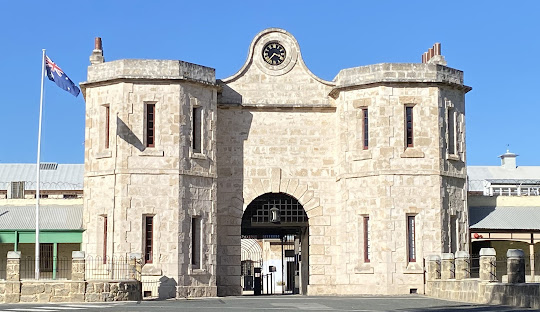
Perth is celebrated for its abundant parklands and natural reserves, with Kings Park and Botanic Garden being the most-visited and ranking among the world’s largest inner-city parks. Other popular natural attractions include Cottesloe Beach and the nearby Rottnest Island. The city also preserves significant cultural and heritage sites, such as the Perth Mint, WA Museum Boola Bardip, and the World Heritage-listed Fremantle Prison.
Perth serves as an educational hub, hosting all five of Western Australia’s universities, and supports commerce and trade through Fremantle Harbour and Perth Airport, connecting the city to global markets. With its blend of liveable urban spaces, cultural heritage, and natural beauty, Perth continues to attract residents, visitors, and investors alike, maintaining its status as a leading metropolitan centre in Australia.