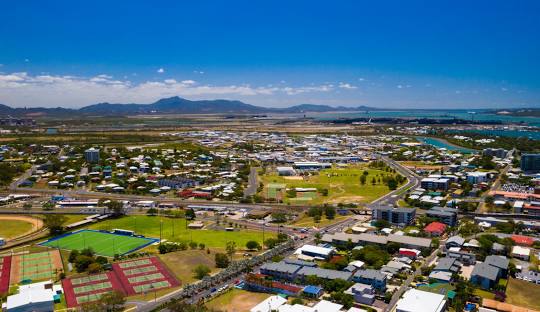
Gladstone’s Early History: From Indigenous Heritage to Colonial Beginnings
Posted by on
Long before European arrival, the Gladstone region in Queensland, Australia, was home to several Aboriginal tribes, including the Gooreng Gooreng, Toolooa (Tulua), Meerooni, and Baiali (Byellee) peoples. These communities thrived for thousands of years along the coast and river systems, maintaining deep spiritual and cultural ties to the land that would later become Gladstone.
The region’s first recorded European sighting occurred in May 1770, when Captain James Cook, commanding the HMS Endeavour, passed the entrance to Gladstone Harbour under the cover of darkness. More than three decades later, in August 1802, Matthew Flinders—during his famed circumnavigation of Australia—became the first European to officially chart the harbour, naming it Port Curtis in honour of Admiral Roger Curtis, who had assisted him a year earlier at the Cape of Good Hope.
Further exploration came in 1823, when John Oxley surveyed the surrounding landscape. However, Oxley was unimpressed by what he found, describing the region as too dry and its harbour difficult to access—an assessment that temporarily stalled European settlement.
That changed in 1847, when Britain made an ambitious attempt to establish a new colony called North Australia at Port Curtis. Led by Colonel George Barney, the expedition faced immediate challenges. The ship Lord Auckland, carrying 87 soldiers and convicts, ran aground on the southern tip of Facing Island on 25 January 1847, forcing the settlers to remain stranded there for several weeks.
Eventually rescued by the supply ship Thomas Lowry, Barney and his group reached the intended settlement site—today known as Barney Point. On 30 January 1847, Barney was ceremonially sworn in as Lieutenant Governor of North Australia at Settlement Point on Facing Island. However, the venture was short-lived; the colony was dissolved just two months later following a change of government in Britain. The failed settlement, which cost the British government an estimated £15,000, was ultimately abandoned.
Despite its rocky beginnings, this chapter in Gladstone’s early history laid the groundwork for future development. From Indigenous heritage to colonial exploration, Gladstone’s past reflects a remarkable blend of endurance, adaptation, and the enduring human drive to build and belong along Queensland’s coast.