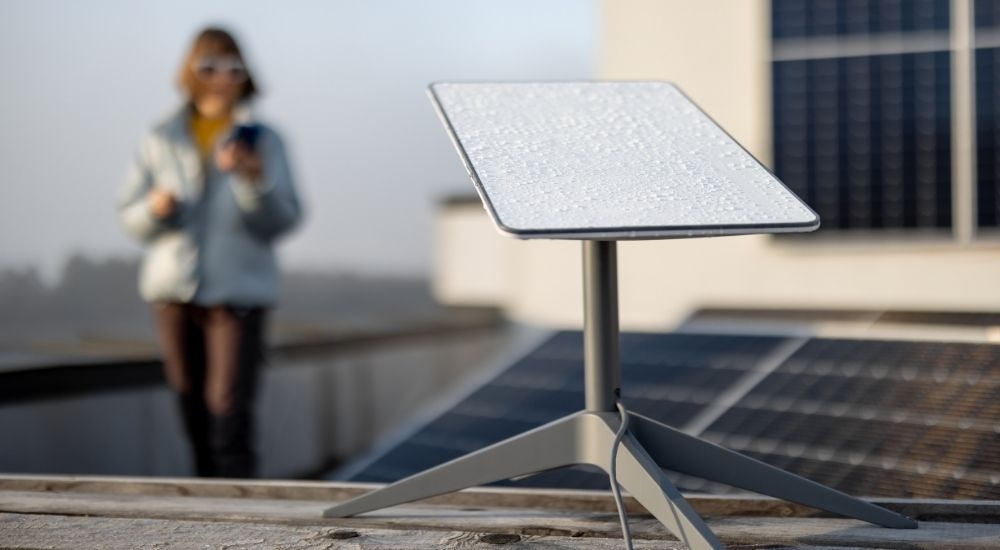
Setting the stage for the importance of reliable internet access in remote areas.
In today's interconnected world, reliable internet access is no longer a luxury but a necessity, especially in remote areas where connectivity can be sporadic at best. For travellers and campers exploring the vast and rugged landscapes of Western Australia, having a dependable internet connection can mean staying connected with loved ones, accessing important information, or even working remotely while on the road.
Remote workers, who often find themselves in off-grid locations seeking solitude and inspiration, rely on a stable internet connection to communicate with clients, attend virtual meetings, and access cloud-based work tools. For small to large companies operating in rural or mining regions, a consistent internet connection is vital for day-to-day operations, data transfer, and communication with headquarters or clients.
Event organizers hosting gatherings in remote areas require high-speed internet to facilitate live streaming, online ticket sales, and social media engagement. Additionally, for individuals considering testing Starlink before investing in their own equipment, having reliable internet access is crucial to experience the full potential of this innovative technology.
In essence, ensuring reliable internet access in remote areas is not just about convenience; it's about enabling seamless communication, enhancing productivity, and fostering connectivity in places where traditional infrastructure may fall short. By prioritizing a stable internet connection, travellers, remote workers, companies, event organizers, and technology enthusiasts can unlock new possibilities and stay connected no matter where their adventures take them.
Key Considerations:
Exploring the technology and benefits of utilizing solar blankets for power generation.
When it comes to ensuring reliable internet access in remote areas, the technology of solar blankets offers a promising solution for travellers, campers, remote workers, and companies operating in rural or mining regions. By exploring the benefits of utilizing solar blankets for power generation, individuals and organizations can meet the need for consistent connectivity in areas where traditional power sources may be limited or unavailable.
Solar blankets harness the power of the sun to generate electricity, providing a sustainable and environmentally friendly energy source. This technology not only reduces reliance on fossil fuels but also offers a portable and versatile power solution for various applications. For travellers and campers exploring remote areas of Western Australia, solar blankets can provide a reliable source of energy to keep devices charged and stay connected to the internet.
Remote workers needing reliable internet in off-grid locations can benefit from the flexibility and convenience of solar blankets, ensuring that they can maintain productivity without worrying about power outages. Small to large companies operating in rural or mining regions can also take advantage of solar blankets to power their communication systems and equipment, enabling seamless operations even in remote locations.
Key Applications of Solar Blankets:
Additionally, individuals testing Starlink before investing in their own equipment can use solar blankets to power the necessary devices for evaluating the internet service.
Overall, the technology of solar blankets presents a practical and efficient way to guarantee reliable internet access in various remote settings, catering to the diverse needs of travellers, workers, companies, event organizers, and individuals exploring connectivity options.
Determining the internet requirements of different user groups - travellers, remote workers, companies, and event organizers.
Determining the internet requirements of different user groups is crucial when considering adding solar blankets to your Starlink rental. By understanding the specific needs of travellers, remote workers, companies, and event organizers, you can ensure reliable internet access in various scenarios.
Travellers and campers exploring remote areas of Western Australia rely on consistent connectivity to stay connected with loved ones, access online resources, and share their adventures on social media. For them, reliable internet is essential for safety and convenience during their travels.
Remote workers often find themselves in off-grid locations where traditional internet services are unavailable. Having a dependable internet connection is vital for them to meet work deadlines, attend virtual meetings, and stay productive while working remotely.
Small to large companies operating in rural or mining regions require stable internet access to maintain communication with headquarters, manage operations efficiently, and access cloud-based services. Reliable internet connectivity is a key factor in ensuring smooth business operations in remote areas.
Moreover, individuals testing Starlink before investing in their own equipment can benefit from understanding their connectivity needs. By evaluating the internet requirements of different user groups, you can tailor your approach to adding solar blankets to your Starlink rental, ensuring reliable internet access for a diverse range of users.
Factors to consider when choosing a solar blanket based on power output, portability, and compatibility.
When considering adding solar blankets to your Starlink rental for reliable internet access, there are several key factors to keep in mind. Choosing the right solar blanket involves assessing its power output, portability, and compatibility with your specific needs.
Power output is a crucial aspect to consider, especially when relying on solar energy to power your internet connection. Look for solar blankets that offer sufficient wattage to meet the demands of your devices and equipment, ensuring a consistent and reliable power source for uninterrupted connectivity.
Portability is essential for travellers, campers, and remote workers who are constantly on the move. Opt for lightweight and compact solar blankets that are easy to transport and set up, allowing you to maintain reliable internet access wherever your adventures take you.
Compatibility with your existing devices and equipment is another critical factor to consider. Ensure that the solar blanket you choose is compatible with your Starlink rental setup, as well as any other devices you may need to power, such as laptops, routers, or mobile hotspots.
By carefully evaluating power output, portability, and compatibility, you can select a solar blanket that meets the specific needs of travellers, campers, remote workers, companies operating in rural or mining regions, event organizers, and anyone looking to test Starlink connectivity in remote areas. With the right solar blanket, you can enjoy reliable internet access wherever your journey may lead.
Step-by-step guide on how to set up solar blankets for optimal power generation and internet connectivity.
Setting up solar blankets for optimal power generation and internet connectivity is crucial to ensuring reliable internet access for a wide range of individuals and organizations. Whether you are a traveler exploring the remote areas of Western Australia, a remote worker in need of a dependable connection in off-grid locations, a company operating in rural or mining regions, an event organizer requiring temporary high-speed internet, or someone testing Starlink before making a purchase, following a step-by-step guide can help you maximize the benefits of solar blankets.
To begin, select a suitable location with maximum exposure to sunlight throughout the day. This will ensure that your solar blankets can generate sufficient power to keep your internet equipment running smoothly. Next, carefully unfold and lay out the solar blankets, making sure they are securely positioned and facing the sun to capture the most sunlight.
Once the solar blankets are in place, connect them to your power bank or generator to start harnessing solar energy. Ensure that all connections are secure and that the power source is functioning correctly. Finally, connect your internet equipment to the power source, allowing it to draw power from the solar blankets.
**Benefits of Solar Blankets:**
By following these steps, you can set up your solar blankets effectively to optimize power generation and internet connectivity, providing you with a reliable internet access solution no matter where your adventures or work take you.
Tips for maintaining and maximizing the efficiency of solar blankets in varied environmental conditions.
When it comes to ensuring reliable internet access in remote areas, such as Western Australia or off-grid locations, solar blankets can be a game-changer. To maximize the efficiency of solar blankets and maintain a steady connection, here are some essential tips for travellers, campers, remote workers, and companies operating in rural or mining regions.
Optimal Placement: Position your solar blanket in direct sunlight to capture the maximum amount of solar energy. Ensure there are no obstructions like trees or buildings blocking the sunlight to keep your blanket charging efficiently.
Regular Cleaning: Dust, dirt, or debris can hinder the performance of your solar blanket. Regularly clean the surface with a gentle brush or cloth to ensure maximum sunlight absorption.
Monitor Weather Conditions: Be aware of the weather forecast and adjust the positioning of your solar blanket accordingly. In cloudy or rainy conditions, you may need to relocate the blanket to a sunnier spot to maintain consistent charging.
Invest in Quality Equipment: Purchase high-quality solar blankets from reputable brands to ensure durability and efficiency. Cheaper options may not withstand harsh environmental conditions or provide consistent power output.
Proper Storage: When not in use, store your solar blanket in a cool, dry place to prevent damage and prolong its lifespan. Avoid folding it tightly to prevent creases that can affect its performance.
Key Considerations:
By following these tips, travellers, remote workers, companies in rural areas, and event organizers can rely on solar blankets to provide consistent and efficient internet access, meeting the demand for connectivity in remote locations.
Analyzing the economic implications of investing in solar blankets for reliable internet access.
Investing in solar blankets for reliable internet access can have significant economic implications for various groups of individuals and businesses. For travellers and campers exploring remote areas of Western Australia, having access to a reliable internet connection can enhance their overall experience by providing a means to stay connected with loved ones, access important information, and even work remotely while enjoying the great outdoors.
Remote workers who rely on consistent internet access in off-grid locations can greatly benefit from the use of solar blankets. By ensuring a reliable connection, these individuals can maintain productivity and meet deadlines without being restricted by their physical location. This can ultimately lead to increased efficiency and job satisfaction for remote workers operating in challenging environments.
Small to large companies operating in rural or mining regions can also leverage solar blankets to establish a stable internet connection for their operations. Whether it's for communication, data transfer, or monitoring systems, having a dependable internet connection is crucial for the success of businesses in remote areas. By investing in solar blankets, companies can minimize downtime and maximize productivity, ultimately leading to cost savings and improved profitability.
Event organizers who require temporary high-speed internet for conferences, exhibitions, or outdoor gatherings can also benefit from utilizing solar blankets. These portable and easy-to-deploy solutions can provide reliable connectivity for attendees, vendors, and staff, ensuring smooth operations and seamless communication throughout the event.
For individuals testing Starlink before committing to purchasing their own equipment, solar blankets offer a convenient and cost-effective way to experience reliable internet access in remote locations. By analyzing the economic implications of investing in solar blankets, it becomes clear that the benefits of ensuring consistent connectivity in remote areas far outweigh the initial costs, making it a worthwhile investment for a wide range of users.
Facts About Reliable Internet Access:
Checklist for Choosing Between Capped and Unlimited Data Plans
Case studies showcasing successful implementation of solar blankets for improved connectivity in remote settings.
In remote settings where traditional internet connectivity may be unreliable or nonexistent, solar blankets have emerged as a game-changer, offering a sustainable solution for ensuring reliable internet access. Through case studies, we have witnessed successful implementations of solar blankets that have significantly improved connectivity for various user groups.
Travellers and campers exploring the vast and remote areas of Western Australia have found solar blankets to be invaluable in staying connected while off the grid. Remote workers, who often find themselves in off-grid locations, have utilized solar blankets to maintain a consistent internet connection, enabling them to carry out their work seamlessly. Small to large companies operating in rural or mining regions have embraced solar blankets as a cost-effective way to ensure their operations run smoothly with uninterrupted connectivity.
Event organizers looking to provide temporary high-speed internet in remote locations have turned to solar blankets as a reliable solution. Moreover, individuals testing Starlink before investing in their own equipment have found that solar blankets offer a practical and efficient way to experience the benefits of reliable internet access in remote areas.
These real-world examples underscore the versatility and effectiveness of solar blankets in meeting the diverse needs of travellers, remote workers, companies, event organizers, and individuals seeking reliable internet access in remote and off-grid locations.